
Right/Left Heart Catheterisation

What is an Right / Left Heart Catheterisation?

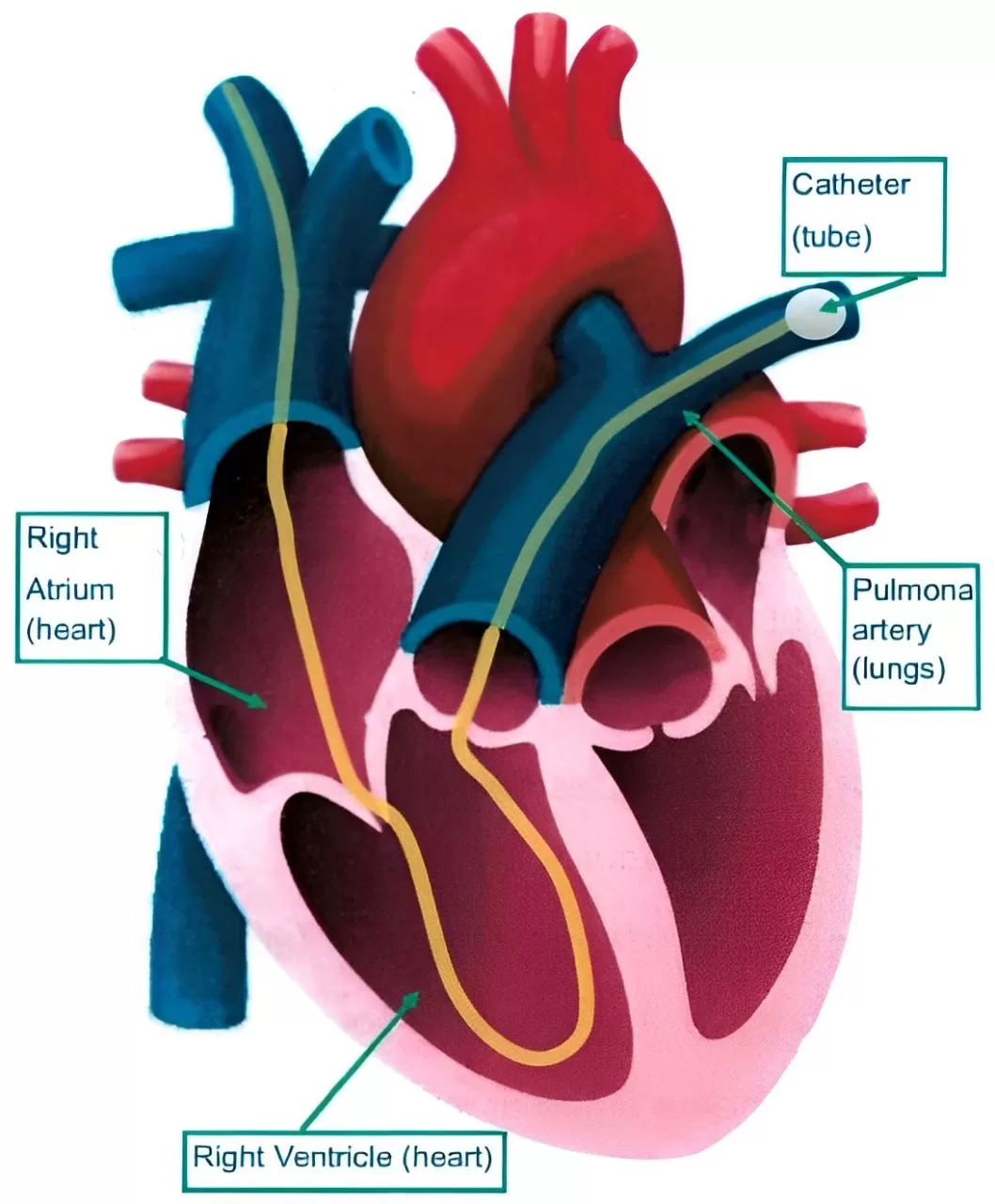
Right and/or Left Heart Catheterisation is a procedure used to measure pressure inside the chambers of your heart and the blood vessels of your lungs.

A thin catheter is passed into a vein in your neck or groin and guided to your heart. Pressure readings are taken from the heart chambers and lungs to help your Cardiologist assess heart and lung function.

The procedure is typically performed under local anaesthetic and usually takes between 30 minutes and one hour.
What to expect before your procedure

Please note this booklet provides general information about your procedure. The hospital booking team will contact you prior to your procedure with personalised instructions specific to your medical history.

Before

Your Cardiologist may request a blood test.

You may be asked to stop taking some medications.

You must stop taking specific blood-thinning medications 24 hours before your procedure (as directed by your Cardiologist).

You are required to fast for 6 hours prior to your procedure.

If you are a diabetic, please contact us for specific instructions.

Please pack an overnight bag should you be required to stay overnight for observation.

On the day of your procedure

Make transport arrangements to and from the hospital as you won’t be able to drive after the procedure.

Arrive at the Hospital at least two hours prior to your procedure.

During the procedure

You will be asked to remove clothing from above the waist and change into a hospital gown.

You will need to lie flat during the procedure. Please inform the nurse if you have back or breathing problems that may make this difficult.

The procedure is performed under local anaesthetic. You may feel mild discomfort during the injection of the anaesthetic.

Local anaesthetic is injected into the skin near the vein in your neck (or groin).

A thin catheter is inserted into the vein and guided to the heart.

Pressure readings are taken from the heart chambers and lungs.

If pressures are elevated, a short-acting medication may be given to temporarily lower the pressure.

The procedure usually takes 30 minutes to one hour.

Post procedure care & discharge information

When the catheter is removed, the doctor will apply pressure to the puncture site to prevent bleeding.

You will be asked to apply light pressure to the site for approximately 10 minutes.

You will be monitored in the recovery area while nurses check your vital signs and inspect the puncture site for bleeding or swelling.

Avoid heavy lifting for 24 hours.

Activities such as coughing, sneezing, laughing, or bending over may cause slight bleeding — please support the puncture site during these activities for 24 hours.

If you experience swelling, increased pain, or bleeding at the site after leaving hospital Apply firm pressure and Seek assistance from your local doctor or Emergency Department.

Contact our rooms on 08 9389 8658 to book a post procedure follow up for 4 to 6 weeks’ time (or according to the instructions given to you by your cardiologist).

Important information

Please seek URGENT medical care by visiting your closest Emergency Department if you experience any of the following:

Chest pain or shortness of breath that does not go away with rest

Fever or chills

Bleeding or new bruising or swelling at the incision/catheter site

Light headedness or vision impairments.

Increasing pain or discomfort.

Any feeling of numbness, tingling, change in skin colour or weakness that develops in your legs.

Important Contact Information

Should you have any queries relating to your procedure, patient care or hospital admission, please contact our office on:
p. 08 9389 8658 – press option 1 and 2
OR
email: hospital.bookings@accesscardiology.com.au