
Angioplasty

What is an Angioplasty?

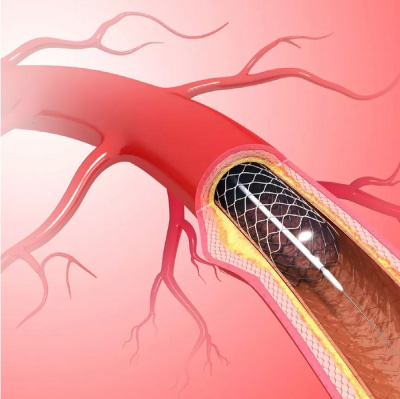
Angioplasty (also known as Percutaneous Coronary Intervention, or PCI) is the technique of mechanically widening narrowed or obstructed arteries. An empty and collapsed balloon, known as a balloon catheter, is passed into the narrowed locations and then inflated to a fixed size. The balloon forces expansion of the inner white blood cell/clot plaque deposits and the surrounding muscular wall, opening up the blood vessel for improved flow, and the balloon is then deflated and withdrawn. A stent (metal scaffold) is then placed at the site of the narrowing to keep the artery open.
What to expect before your procedure

Please note this booklet provides general information about your procedure. The hospital booking team will contact you prior to your procedure with personalised instructions specific to your medical history.

Before

Your Cardiologist may request a blood test.

You may be asked to stop taking some medications.

You are required to fast for 6 hours prior to your procedure.

If you are a diabetic, please contact us for specific instructions.

Please pack an overnight bag should you be required to stay overnight for observation.

On the day of your procedure

Make transport arrangements to and from the hospital as you won’t be able to drive after the procedure.

Arrive at the Hospital at least two hours prior to your procedure.

During the procedure

You will be taken into the cardiac catheter laboratory, where monitoring equipment is attached and a small cannula is inserted for medications. The procedure is performed under local anaesthetic, often with light sedation.

A thin tube (catheter) is inserted into an artery in the wrist or groin and guided to the narrowed coronary artery using X-ray imaging.

A fine wire is passed across the blockage and a small balloon is positioned at the narrowed area.

The balloon is inflated to widen the artery and improve blood flow. A stent is usually placed to help keep the artery open.

Once complete, the balloon and catheter are removed, and pressure or a closure device is applied to the access site.

Post procedure care & discharge information

If you are discharged on the same day as your procedure, ensure someone is able to stay overnight with you.

A full report will be sent to your Doctor regarding the results of your procedure.

Drink plenty of fluids to promote recovery.

Do not participate in strenuous activities such as; sports, housework, heavy lifting etc for at least 2 days.

Contact our rooms on 08 9389 8658 to book a post procedure follow up for 4 to 6 weeks’ time (or according to
the instructions given to you by your cardiologist).

Important information

Some side effects include:

Pain at site

Swelling and bruising

Please seek URGENT medical care by visiting your closest Emergency Department if you experience any of the following:

Chest pain or shortness of breath that does not go away with rest

Fever or chills

Bleeding or new bruising or swelling at the incision/catheter site

Light headedness or vision impairments.

Increasing pain or discomfort.

Any feeling of numbness, tingling, change in skin colour or weakness that develops in your legs.

Important Contact Information

Should you have any queries relating to your procedure, patient care or hospital admission, please contact our office on:
p. 08 9389 8658 – press option 1 and 2
OR
email: hospital.bookings@accesscardiology.com.au